
Polish grid operator joins AI.Grids initiative to develop shared European AI model for power systems

Polskie Sieci Elektroenergetyczne (PSE), the operator of Poland’s transmission power grid, has joined AI.Grids – a new European initiative aiming to create a common artificial intelligence model for interconnected electricity systems. The project is designed to support grid planning, operation and security at a time of rapid growth in renewable energy and rising complexity of the power system.
The programme, launched under the umbrella of the European Commission, is intended to become a reference platform for AI use in critical energy infrastructure across multiple countries.
AI.Grids launched in Brussels under EU supervision
The AI.Grids initiative was officially inaugurated on 3 June 2026 in Brussels. The opening was led by Dan Jørgensen, European Commissioner for Energy and Housing. The project is supervised by the European Commission’s Directorate‑General for Energy (DG ENER).
AI.Grids brings together transmission system operators (TSOs), distribution system operators (DSOs), research institutions and technology providers from several European states. By pooling expertise and data from different parts of the electricity sector, the partners intend to develop tools that can be applied across borders and system types.
Common AI model for Europe’s interconnected grids
The central goal of AI.Grids is to build the first shared AI model tailored to the needs of interconnected European power systems. Instead of each operator developing separate, incompatible tools, the project is meant to provide a common technological foundation for AI solutions in the energy sector.
According to the project assumptions, the model is expected to support:
- Network forecasting – improving predictions of how power flows will behave under changing demand and generation conditions.
- Grid development planning – helping operators design and optimise investments in new lines and substations.
- Flexibility analysis – assessing how flexible different parts of the system are, for example in the face of fluctuations from renewable sources.
The AI system will be trained on real operational data, including network topology, measurement data from the grid, established operating practices, and applicable regulations and procedures. Using real‑world datasets is expected to make the model more accurate and better aligned with the specific requirements of European electricity systems.
PSE’s role and expected benefits
By joining AI.Grids, PSE gains the opportunity to co‑create European standards for the use of artificial intelligence by transmission system operators. The company will also be able to influence how AI tools are designed so that they respond directly to the needs and constraints of TSOs.
Participation in the initiative fits into broader European Union efforts to strengthen energy security and promote the safe integration of artificial intelligence into critical infrastructure. For grid operators such as PSE, AI‑based tools could, over time, enhance reliability, streamline planning processes and support the integration of new generation sources.
Project timeline and testing phases
The AI.Grids project is scheduled to run for three years. The first tests involving system operators are planned for the end of 2026. During these pilot stages, the partners will evaluate how the AI model performs in practical tasks and what adjustments are needed before wider deployment.
Solutions will be introduced step by step. The organisers stress that each phase will include strict control over how data is used and particular attention to the cybersecurity of power systems. Ensuring that sensitive operational data is handled safely is a key condition for the success and acceptance of the initiative among operators and regulators.
PSE: backbone of Poland’s high‑voltage grid
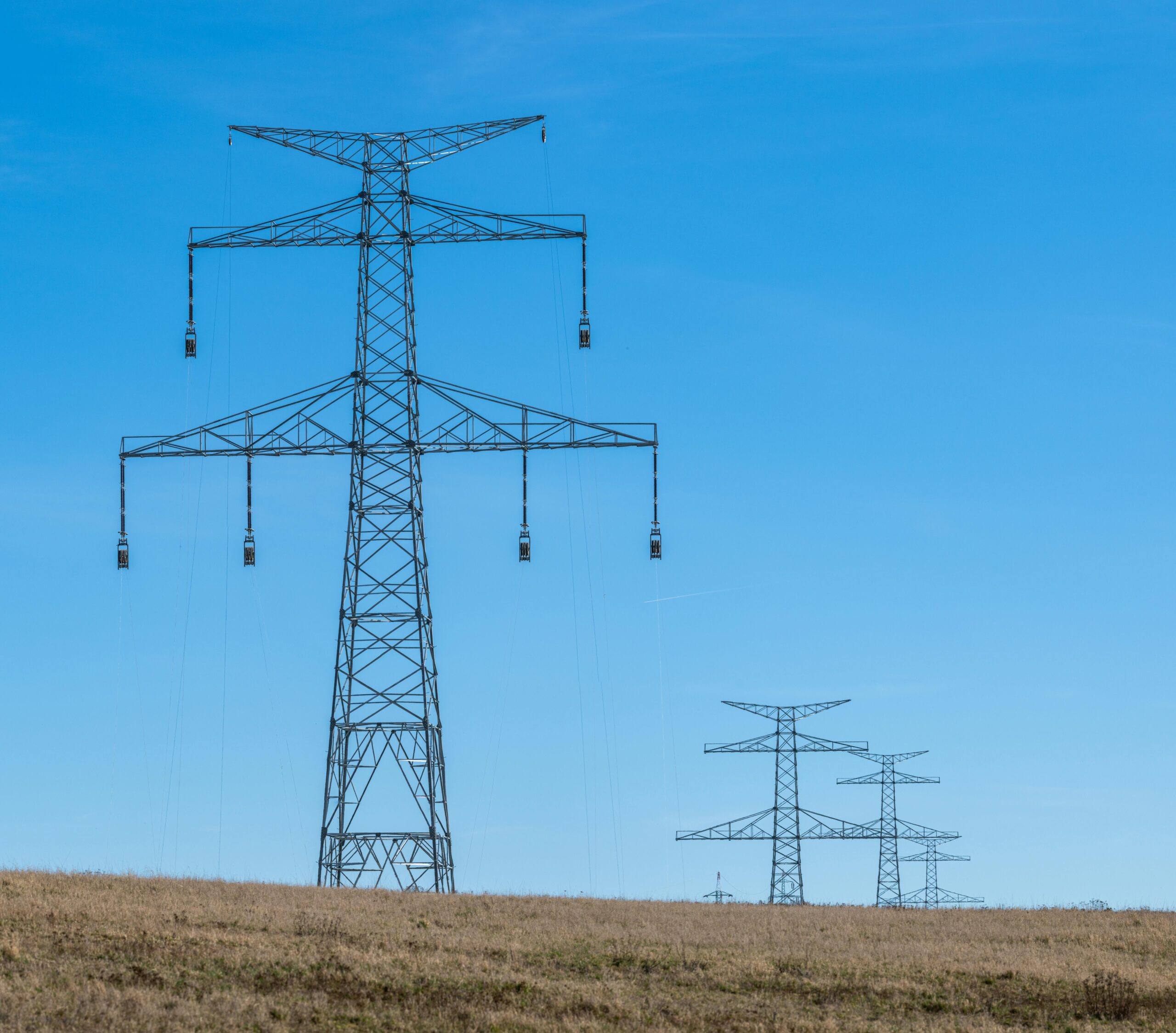
Polskie Sieci Elektroenergetyczne is the transmission system operator responsible for the high‑voltage electricity grid in Poland. The company manages lines operating at 400 kV and 220 kV, which enable long‑distance power transmission. The total length of these lines exceeds 16.5 thousand kilometres, and the infrastructure includes 112 substations.
PSE is also responsible for balancing the national power system – matching electricity generation to demand in real time. This function is becoming increasingly complex as the share of variable renewable energy grows, which is one of the factors driving interest in advanced analytical and AI‑based tools such as those developed within AI.Grids.



0 comments